

Liverpool City Region AI Task Force
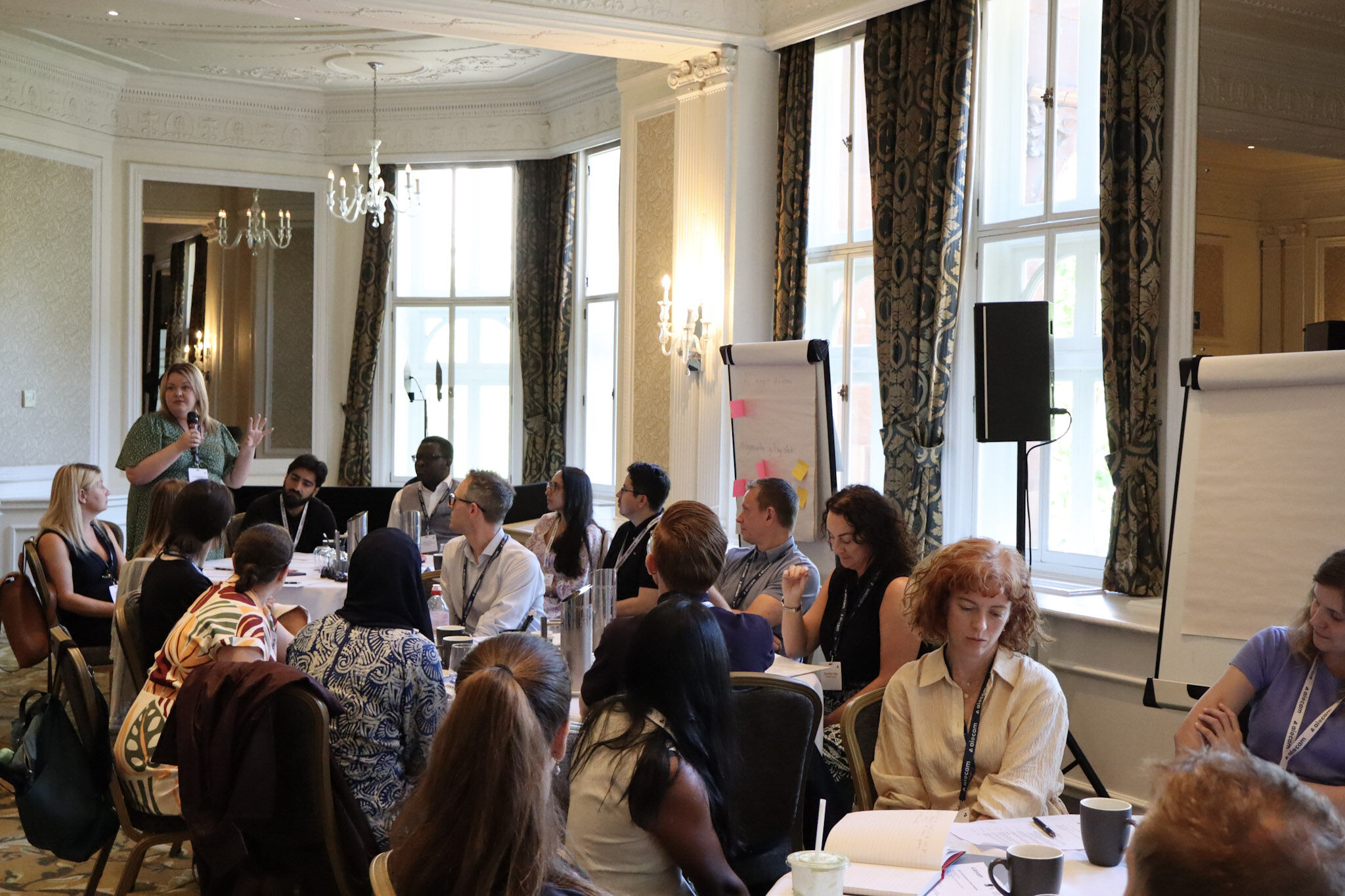
Jessica Montgomery has joined the new Liverpool City Region AI Task Force, an expert advisory group established to help shape the development and adoption of AI across the region.


Artificial intelligence has the potential to change not only the subjects of public policy, but how policy itself is made. New AI capabilities may help governments and other public institutions interpret complex information, explore policy options, anticipate consequences, engage with citizens, and support the delivery of public services. Realising these possibilities, however, requires more than inserting new tools into existing processes.
The AI for Policy programme examines how AI changes the capabilities of public institutions and what is required to use those capabilities well. It considers both the opportunities created by AI and the institutional arrangements needed to preserve judgement, accountability, and democratic authority as parts of policy work become increasingly mediated by AI systems.
Greater analytical capacity does not necessarily produce better policy. AI systems can amplify the information that is easiest to measure, obscure uncertainty, encourage inappropriate delegation, or create an appearance of analytical authority that exceeds the quality of the underlying evidence. As systems become more agentic, questions also arise about where human judgement should be retained and how responsibility can remain meaningful when analysis and action are distributed across people and machines.
A central focus of the programme is institutional capability. Effective use of AI depends on organisations being able to identify appropriate problems, integrate new systems into existing workflows, evaluate their effects, manage data and technical dependencies, and maintain the expertise needed to challenge their outputs. It also requires governance capable of determining which decisions can appropriately be supported or delegated and where political, professional or democratic judgement must remain authoritative.
The programme combines conceptual research with work in public institutions. ai@cam’s Local Government AI Accelerator provides one setting in which these questions can be studied in practice. Working with councils as they experiment with AI in public services makes it possible to examine adoption at the level of real workflows: how problems are selected, what happens when systems encounter organisational constraints, how professional roles and judgement change, and what forms of evaluation, assurance and governance are needed as experiments move towards routine use.
This work connects closely to ML@CL research on AI adoption and public dialogue. Public dialogue can provide evidence about the outcomes people want from AI and the conditions they place on its use; research with public institutions examines their capacity to respond to those priorities in practice. Together, these strands ask how advances in AI can strengthen the capabilities of democratic institutions without displacing the human and institutional authority on which public decision-making depends.

29 September 2026
Jessica Montgomery has joined the new Liverpool City Region AI Task Force, an expert advisory group established to help shape the development and adoption of AI across the region.

29 April 2026
ai@cam has announced six council partnerships, funded by MHCLG, to try AI on operational problems in local public services.